
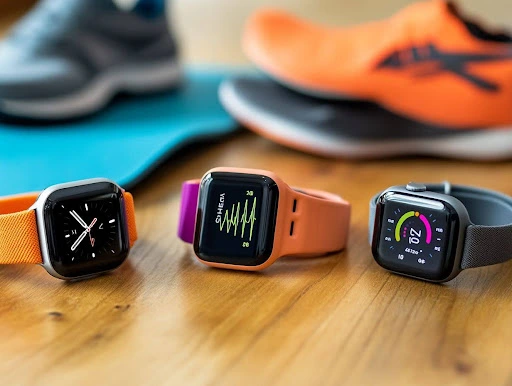

Fitness trackers have revolutionised the way you monitor your health and activity levels, making it more convenient to stay on track with your fitness goals. With a variety of popular options like Fitbit, Garmin, and Apple Watch, each tailored to different lifestyles, selecting the right one can seem daunting. This article compares the features, pricing, and availability of these devices, assisting you in determining which tracker best fits your active, professional, or wellness-focused lifestyle. Additionally, you will find tips to maximise the benefits of your chosen device, including motivation tracking and exercise analytics.
What are Fitness Trackers?
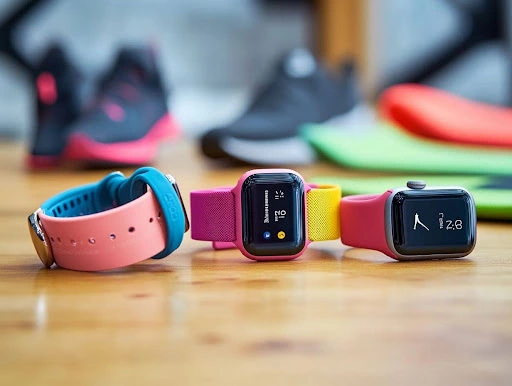
Fitness trackers are wearable devices designed to monitor and analyse various aspects of your health and physical activity, including performance tracking and activity reminders.
They offer a wide range of features, including health metrics such as heart rate, step count, and sleep tracking, all aimed at helping you achieve your fitness goals and lifestyle changes.
With advancements in wearable technology, these devices provide valuable insights into your daily activity, support lifestyle monitoring, and encourage healthy behaviours through personalised coaching and real-time feedback.
Leading brands like Fitbit, Garmin, and Apple Watch offer different models with unique functionalities tailored to diverse lifestyle needs, ensuring you can find the perfect fit for your active life and fitness challenges.
Comparison of Fitbit, Garmin, and Apple Watch
When comparing popular fitness trackers, you will find that Fitbit, Garmin, and Apple Watch stand out in the market due to their unique features, functionalities, and design aesthetics.
Each brand has established a solid reputation for reliability and innovation in health monitoring, catering to diverse user needs and preferences. Fitbit is known for its user-friendly interface and extensive health apps, Garmin provides advanced GPS and sports modes, while the Apple Watch excels in smartwatch capabilities and smartphone integration.
By analysing their features, comparing prices, and reviewing user feedback, you can make an informed decision tailored to your lifestyle and fitness requirements.
Features and Functions
The features and functions of fitness trackers significantly impact their effectiveness for activity tracking, health monitoring, and product durability.
Most devices come equipped with essential functionalities such as heart rate monitoring, sleep tracking, and step counting, providing you with valuable insights into your daily activities and fitness goals.
Advanced models often include specialised sports modes for running, cycling, and swimming, enhancing both your user experience and workout effectiveness with sports performance insights. These features not only assist in achieving your fitness objectives but also foster accountability and engagement through social sharing and community support.
Recovery tracking is another vital function that evaluates how well your body recuperates after intense workouts. By monitoring metrics like heart rate variability and recovery time, you can optimise your training schedules to prevent burnout and injuries.
In addition, coaching features often provide personalised workout plans and real-time feedback, enableing you to stay motivated and make informed decisions about your fitness journey.
Data privacy is also a crucial aspect that ensures your information remains secure, building trust and encouraging consistent engagement with the app. As technology continues to evolve, you can feel confident that your fitness improvements are being monitored and guided effectively, enabling a more tailored and supportive approach to your personal health.
Price and Availability of Fitness Trackers
The price and availability of fitness trackers can vary significantly among brands such as Fitbit, Garmin, and Apple Watch, making price comparison an essential consideration for potential buyers. Entry-level devices are generally more affordable, while models with advanced features and premium designs are priced higher.
Understanding the value of these devices as long-term investments in your health can assist you in selecting a tracker that aligns with your budget and fitness objectives. Additionally, availability across various retailers and online platforms enhances accessibility for consumers interested in investing in wearable technology.
Budget-friendly options from these brands typically start at around Rs 6,836/-, providing basic tracking functionalities that can help you maintain your fitness routine without straining your finances.
For those who prioritise advanced metrics, GPS capabilities, and stylish designs, it is common to spend upwards of Rs 29298.00 on high-end models. Brand loyalty can also influence this decision, as many consumers prefer familiar interfaces and integrated ecosystems.
Considering the initial investment in a quality fitness tracker is important, given the potential for improved health and motivation over time. Thus, investing in a fitness tracker can be a strategic choice for achieving long-term wellness goals.
Choosing the Right Fitness Tracker for Your Lifestyle
Selecting the right fitness tracker for your lifestyle requires a clear understanding of your specific needs, fitness goals, and preferred types of activities.
Whether you are focused on daily activity monitoring, recovery tracking, or achieving specific fitness objectives, choosing the right device can significantly impact your progress.
Individuals with active lifestyles may prioritise features such as GPS and various sports modes, while those who lead a more sedentary lifestyle might find value in reminders to move and engage in regular physical activity.
Additionally, considering factors such as battery life, durability, and customisation options, including fashion accessory features, will aid you in selecting a tracker that seamlessly integrates into your daily routine.
Active and Outdoor Lifestyles
For individuals leading an active and outdoor lifestyle, fitness trackers equipped with features such as cycling tracking, running tracking, and swimming tracking are essential for precise activity monitoring.
These devices must also demonstrate durability and waterproof capabilities to withstand various environmental conditions while providing real-time performance data. Enhanced GPS features enable outdoor enthusiasts to explore new trails and monitor distance, pace, and calories burned, helping them set and achieve personalised fitness goals. By integrating these functionalities, fitness trackers specifically cater to those who engage in regular outdoor activities.
Such gadgets do more than track steps and count calories; they also offer invaluable insights into heart health, which is crucial for maximising endurance and overall fitness. Users can take advantage of features like heart rate monitoring during rugged hikes or intense biking sessions, ensuring they remain within optimal zones for improved cardiovascular performance.
Fitness assessments provided through these trackers facilitate a deeper understanding of one’s fitness level over time, promoting informed decisions about workouts and recovery strategies. Consequently, for those actively engaging in diverse exercise types, from trail running to open-water swimming, the integration of these advanced functionalities transforms outdoor adventures into opportunities for health and fitness optimisation.
Work and Office Lifestyles
In work and office environments, fitness trackers prove to be valuable tools for tracking productivity, promoting movement, and managing mental wellness throughout the day.
These innovative devices are typically equipped with health apps that provide personalised insights tailored to your specific experiences. By monitoring daily step counts, heart rates, and even stress levels, they enable you to take proactive steps towards maintaining both your physical and mental well-being.
Regular firmware updates ensure access to the latest features, enhancing functionality and overall user satisfaction.
By seamlessly integrating technology into your daily routines, fitness trackers not only encourage regular activity but also cultivate a culture of health within the workplace, ultimately contributing to improved morale and efficiency among employees.
Health and Wellness Lifestyles
Individuals focused on health and wellness can significantly benefit from fitness trackers that provide comprehensive health monitoring, including stress management and hydration tracking. These devices do more than just measure physical activity; they offer insights into overall well-being, assisting you in maintaining a balanced lifestyle.
Features such as personalised coaching and health metrics enable you to set realistic fitness goals and actively engage in achieving them. By incorporating these elements, fitness trackers become essential tools for those who prioritise their long-term health and wellness.
Many fitness trackers also promote community engagement by enabling you to connect with others on similar wellness journeys, fostering a supportive environment that encourages accountability.
The incorporation of health data analytics transforms raw data into actionable insights, allowing you to identify patterns and make informed decisions about your health. With regular feedback and encouragement from built-in coaching features, you can navigate your fitness challenges more effectively.
Ultimately, these advanced technologies serve as holistic solutions, enhancing not only your physical fitness but also your mental resilience, social connections, and overall emotional health.
Tips for Maximising Your Fitness Tracker
To maximise the benefits of your fitness tracker, it is crucial to explore various tips and techniques that can enhance its functionality and effectiveness in monitoring your health and fitness journey.
By ensuring data synchronisation with mobile applications and setting achievable fitness goals, you can utilise your device to its full potential, significantly improving your workout tracking and monitoring capabilities with enhanced GPS and calorie tracking features.
Engaging with the device’s community features and taking advantage of personalisation options, such as voice assistant and music control, can also serve to motivate you in staying committed to your fitness objectives and celebrating your progress along the way.
Setting Goals, Fitness Metrics, and Tracking Progress
Setting goals and tracking progress are essential components of a successful fitness journey, and fitness trackers play a vital role in this process. Whether you aim to increase your step count, enhance your heart health, or complete specific workout plans, utilising the features of your device will help you stay accountable and motivated.
Monitoring your fitness challenges over time not only provides insights into your progress but also allows you to adjust your goals as necessary, fostering a mindset geared towards continuous improvement with health insights and performance evaluation.
To enhance your fitness journey, consider incorporating specific health metrics, such as VO2 max and other fitness assessments offered by your tracker. Monitoring your VO2 max, which reflects your aerobic capacity and overall cardiovascular health, can serve as a key indicator of your fitness level. Regular fitness assessments will help you establish baseline metrics and track how your performance evolves.
By setting short-term and long-term goals based on these measurements, you will create a more structured approach to your fitness routine, making your objectives clearer and more achievable with the help of a personal trainer or personalised coaching features.
Tracking your workouts and daily activities ensures that you remain informed about your progress, enabling you to celebrate milestones, however small, along your path to better health, aided by features such as weight management and sleep analysis.
Incorporating Fitness Trackers Data and Health Insights into Your Routine
Incorporating fitness tracker data into your daily routine can greatly enhance your awareness of health metrics and activity levels. By utilising the associated mobile app, you can seamlessly integrate the data collected by your device into your everyday life, making it easier to monitor your progress and make informed decisions about your fitness journey.
Engaging with the app’s features, such as workout tracking, activity reminders, and nutrition tracking, allows you to adopt a more structured approach to achieving your lifestyle goals.
To maximise the benefits of health data analytics, you are encouraged to regularly review your engagement metrics, which provide invaluable insights into trends and patterns in your physical activity over time. Customisation options within these applications further enhance usability, allowing you to tailor notifications and reminders to fit your unique preferences.
By consistently adjusting your fitness goals based on the tracked data, you can maintain motivation and accountability, ensuring that your health and wellness regimen evolves as your needs change. This proactive approach fosters a deeper connection to your health, ultimately leading to a more fulfilling and sustainable fitness journey.
Frequently Asked Questions
1. What is the difference between Fitbit, Garmin, and Apple Watch fitness trackers?
Fitbit, Garmin, and Apple Watch are all popular fitness tracker brands that offer a variety of features. Fitbit focuses on basic activity tracking and sleep monitoring, while Garmin offers more advanced features for fitness enthusiasts. Apple Watch combines fitness tracking with smartwatch capabilities and integrates with other Apple products.
2. Which fitness tracker is best for beginners?
For beginners, Fitbit is often a great choice. It is user-friendly, offers basic tracking features, and has a lower price point compared to Garmin and Apple Watch. It also has a variety of options to choose from, including the Fitbit Inspire, Charge, and Versa.
3. Are Garmin fitness trackers only suitable for serious athletes?
No, while Garmin offers more advanced features for serious athletes, they also have options for more casual users. The Garmin Venu and Vivomove series offer basic activity tracking and stylish designs for everyday wear.
4. Can I use an Apple Watch for more than just fitness tracking?
Yes, one of the key advantages of the Apple Watch is its integration with other Apple products. It can be used for fitness tracking, but also offers features such as receiving notifications, making calls, and streaming music.
5. Which fitness tracker is best for outdoor activities?
If you are looking for a fitness tracker specifically for outdoor activities, Garmin is a great choice. It offers features such as GPS tracking, altimeter, and weather resistance. The Garmin Fenix and Forerunner series are popular options for outdoor enthusiasts.
6. Are there any fitness trackers that offer personalised coaching and guidance?
Both Garmin and Apple Watch offer personalised coaching and guidance through their respective apps. Garmin offers the Garmin Coach feature which provides personalised training plans, while Apple Watch offers features such as the Activity and Workout apps that track progress and suggest personalised goals.